

The Master
The perfumer who made Catch Me If I Fall with me has just earned one of the rarest titles in the industry. On Frank Voelkl, mastery, and the beauty of leaving the edges on

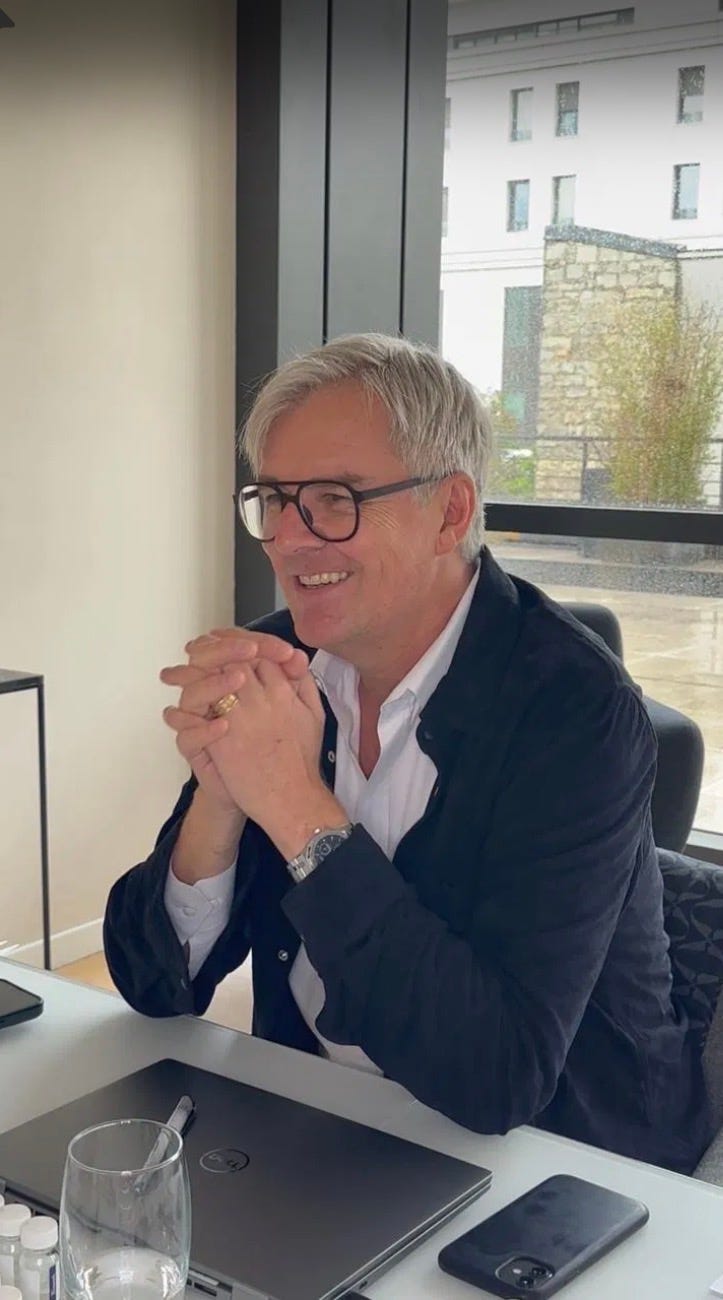
About ten years ago, when La Pyae was still only an ambition and a deck, I sent a document to a senior executive at a prestigious fragrance house describing the perfumer I had just started working with - Frank Voelkl - as a "master perfumer." He corrected me, politely and kindly. Frank, he explained, was far too respectful of the title to have it attached to his name in error. “Master Perfumer” was not, as I had assumed, an enthusiastic adjective. It was a rank, and a rare one, earned over decades and given to very few.
I have spent much of the last ten years correcting everyone else who made the same mistake I did. It’s an easy journalistic error to assume that any “great” perfumer comes with the free superlative, “master”. So it is a particular pleasure to write, at last, without correction: Frank Voelkl, the perfumer who created Catch Me If I Fall with me, is now a Master Perfumer.
The title is one of the rarest in the industry. From my understanding there are only six hundred working perfumers in the world; only some 30 to 40 make it to “Master”. There is no exam. It is conferred, usually after decades of practice, on those whose work and character have shaped the way the rest of us come to smell the world: Jean-Claude Ellena, who defined the house style of Hermès; Alberto Morillas, behind Acqua di Gio; Dominique Ropion, who made Frédéric Malle's Portrait of a Lady. Frank, working from perfume house dsm-firmenich, has now joined them.
He came to it the long way. A German boy raised partly in Paris, where his father worked as a diplomat, he fell for fragrance early — collecting it, trying to work out what his mother wore (chypres, he discovered later), buying Yves Saint Laurent's Kouros as a blond sixteen-year-old until a friend's mother told him, not unkindly, that it was far too much for a boy like him. He trained at ISIPCA (Institut Superieur International du Parfum) outside Versailles, then made a decision that shaped everything: rather than build a career in Europe as a German perfumer — "how will I ever be taken seriously as a German perfumer in Paris?" he remembers thinking — he went to New York, and never left.
There he found his mentors, and among them Maurice Roucel, whom he still credits with reshaping his style. "He is very much into very short formulas, very precise, uncluttered formulas," Frank told me. "To really establish a very clear message in your fragrance… being very direct." It is the discipline that runs through all his best-known work — Le Labo's Santal 33, a scent that was no hit at first, launching initially by way of a candle, but which grew, year on year, until half the world seemed to be wearing it; and its darker sibling Thé Noir 29; more recently he co-created Glossier’s You, and then also Mood Ring and Father Figure for Phlur.
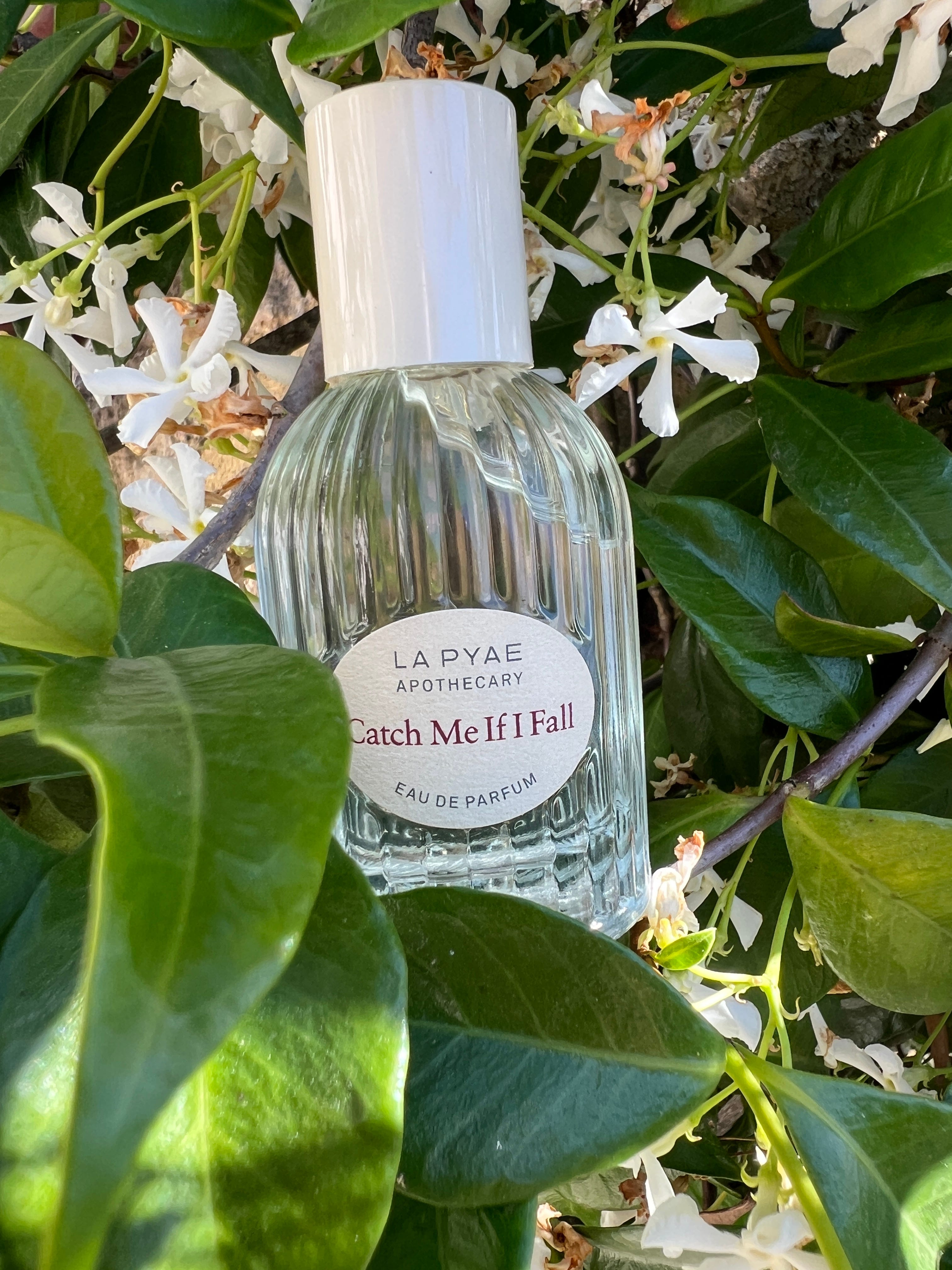
What I love about Frank's hand is that he leaves the edges on. So much of perfumery, he says, tends to "polish off anything that sticks out" — and yet the imperfection is often the point, the thing that makes you return to a scent and find a facet you'd missed. When we made Catch Me If I Fall, he worked from a box I'd sent him: a sandalwood necklace, my mother's book about our family, photographs chosen for their colours — the neon light beside the gold leaf, the jade you see everywhere in Myanmar. He read the book, immersing himself in a country he had never visited, and gave me back something warm, solar, and a little raw. He was a joy to work with, patient, focused, calm and thoughtful.
To me, he was a master long before the title arrived. Now the rest of the world has caught up. Whatever honour lies above this one, I have no doubt he is headed there too.
Catch Me If I Fall, the fragrance Frank and I made together, is available at lapyae.com and at Liberty London.
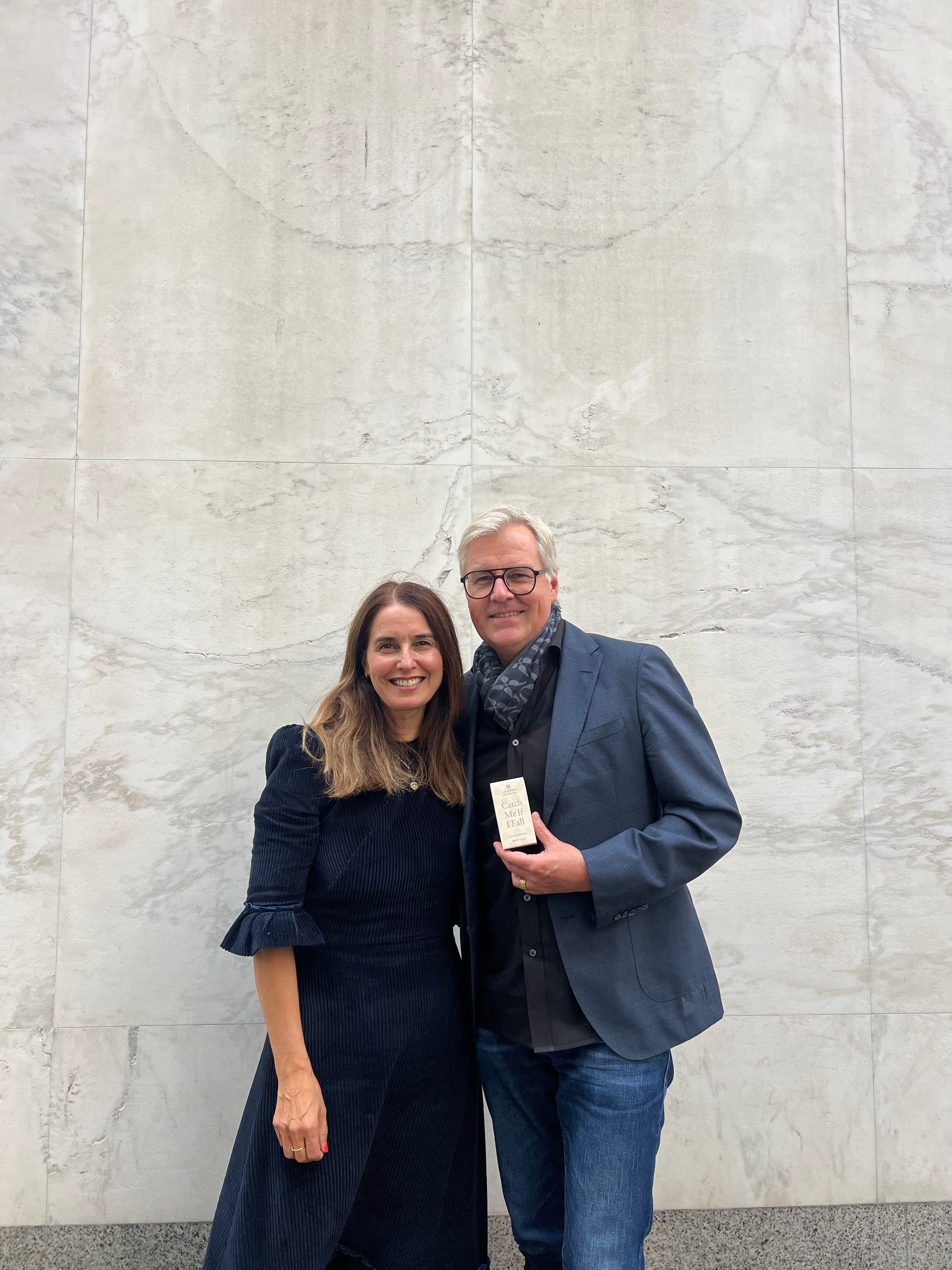
With love and congratulations to you Frank. 🩶
♥️